1Preface
Magda Robalo
President and Co-Founder of the Institute for Global Health and Development (IGHD), Guinea-Bissau
This report provides a structured assessment of current challenges in health policymaking, alongside exemplar solutions drawn directly from research evidence, policy practice, and parliamentary experience.
The Health Policy Trend Report 2026 is launched amid multiple and overlapping global challenges that complicate evidence-based policymaking. The report’s findings point to three recurring and interlinked themes around short-termism, lacking resources, and limitations in relevant expertise.
This first Health Policy Trend Report establishes the conceptual and analytical foundation for a report series by focusing on barriers and enablers of policymaking across health contexts and geographical regions. It combines findings from a global survey of health policymakers with insights from existing research and real-world case studies to identify current constrains within policymaking and explore practical solutions. In doing so, this report adopts a dedicated problem-driven and solutions-oriented approach.
A core characteristic of the Health Policy Trend Report is its cross-sectoral perspective. Health policy outcomes are shaped by interactions across government portfolios, legislative processes, research ecosystems, civil society, donor or development partners, the private sector, and communities. This is reflected in the composition of the contributors to this report. The report was initiated by the Global Health Policy Lab (GHPL) and builds on a survey conducted with Nature Research Intelligence (NRI). The African Population Health and Research Center (APHRC) anchors the report in research to policy experience and applied evidence from diverse settings, whilst the UNITE Parliamentarians Network for Global Health (UNITE), brings in the parliamentary perspective essential to understanding political incentives, constraints, and opportunities for actionable solutions. This collaborative approach underscores a core premise: strengthening health policymaking requires coordinated action that transcends geographic, institutional, and disciplinary silos.
In essence, whilst not exhaustive, the report is a practical resource and a convening tool. It aims to support policymakers and stakeholders in navigating complexity and uncertainty, learning from peers, and strengthening the conditions for evidence-informed, inclusive, and resilient health policymaking, with an open invitation to contribute to, and shape, future editions of the Health Policy Trend Report.
2Executive Summary
The Health Policy Trend Report 2026, developed by the Global Health Policy Lab (GHPL) in partnership with the African Population Health and Research Center (APHRC) and UNITE Parliamentarians Network for Global Health (UNITE), provides a structured assessment of persistent barriers to effective health policymaking and outlines means to tackle and overcome these.
The report aims to (1) map recurring challenges faced by health policymakers globally; (2) identify practical solutions that strengthen policy development processes, implementation capacity, and long-term impact; and (3) provide illustrative case studies. It draws on a global survey of 109 policymakers across 49 countries, complemented by research evidence and solutions-in-action case studies. In doing so, the report serves as a practical resource and convening tool to support more resilient and inclusive health policymaking.
Key Findings
Across regions and settings, three interlinked challenges consistently emerge:
- Short-termism and political pressure
- Stretched resources and limited access to best practices
- Limitations in expertise and use of evidence
The survey findings are strongly corroborated by existing research findings and real-world experience. Evidence demonstrates that electoral cycles and short-term incentives lead to underinvestment in disease prevention and delayed or rushed responses to emerging threats. Research underscores the importance of adaptive governance, strategic foresight, and institutional continuity to mitigate these effects.
In resource-limited settings, research highlights how limited financial, technical, and institutional capacity constrains implementation even where policy intent is strong. Ethical and cost-effectiveness frameworks, robust monitoring systems, and adaptive policymaking approaches are shown to improve resource allocation and equity outcomes. Research also suggests that limitations in policymaker expertise and weak research–policy engagement contribute to the persistent ‘know–do gap’, with science-informed evidence often taking years to translate into policy practice. Closer engagement between researchers and policymakers, knowledge translation platforms, as well as decision-maker-friendly formats for policy formulation and implementation, can accelerate evidence uptake.
It is important to differentiate between shared global challenges and context-specific constraints. Low- and middle-income countries frequently face deeper structural capacity gaps, while high-income countries contend with fragmentation and political volatility. Across settings, systems strengthening and trustworthy relationships are central to sustainable reform in policymaking.
Case studies from Egypt, Ireland, Mexico, Germany, Australia, the United Kingdom, and Canada demonstrate that durable reform is achievable through cross-party collaboration, whole-of-government approaches, context-adapted policy implementation, strengthened data systems, and institutionalised use of science-informed evidence or a combination thereof.
Recommendations
This report provides a problem-driven and solutions-oriented foundation for advancing more transparent, resilient, and evidence-informed health policymaking worldwide. We summarise this here in the form of concrete short-, intermediate-, and long-term recommendations for action:
- Deploy artificial intelligence (AI)-assisted evidence synthesis tools, searchable policy databases (e.g., digital repositories), and best-practice dashboards to integrate global and local evidence efficiently into policymaking.
- Enable policymakers to compare international approaches while adapting them to national and subnational contexts.
- Establish/maintain independent technical and scientific advisory groups on health policy, with safeguards against political turnover.
- Standardise science-informed policy formulation procedures through national guidelines or formal approval requirements.
- Institutionalise professional development for parliamentary and ministerial staff in health literacy, economics, policy evaluation, and digital governance.
- Develop or strengthen national evidence hubs that combine rapid evidence synthesis, contextual adaptation, and policymaker training.
- Institutionalise ‘Health in All Policies’ approaches across budgeting and planning processes to reduce siloed decision-making.
- Establish standing cross-party health bodies to ensure policy continuity across electoral cycles.
- Align budgeting processes with long-term population health outcomes through outcome-oriented budgeting.
3Report Purpose & Scope
This report provides the global health community insights into the evolving challenges, opportunities, and, importantly, solutions in health policymaking. It is intended for policy actors in the broadest sense, including primarily government officials and parliamentarians, health experts and researchers, as well as interest organisations and advocacy groups, healthcare providers and industry, media and civil society.
The report draws its initial findings from a global survey of health policymakers conducted jointly by Nature Research Intelligence and GHPL, relevant research evidence collated by APHRC, and insights from UNITE members, who are current and former members of parliaments from around the globe. Where possible, geographical nuances are reflected to allow policymakers and readers to contextualise the findings, proposed solutions, and examples.
In this report, challenges and solutions are structured around three interlinked areas that consistently shape health policymaking across regions and settings:
- Short-termism and fragmented strategic planning — relating to political pressure for quick results, electoral cycles, and siloed approaches.
- Resource constraints and access to best practices — including limitations in funding, human capacity, and mechanisms for cross-country learning.
- Gaps in relevant expertise and stakeholder engagement — comprising health literacy, technical knowledge, and inclusive engagement processes.
These three areas provide the analytical backbone of the report. Each subsequent section examines how they manifest in practice, how they interact, and what solutions can address them at operational levels. Specifically, the report covers:
Mapping Challenges
Identifying and evaluating the key barriers policymakers face, from political pressures and resource constraints to difficulties in accessing or using scientific evidence.
Investigating Solutions
Exploring practical and systemic solutions proposed by stakeholders to overcome identified barriers that restrict transparency in policymaking and foster cross-country knowledge sharing.
Solutions in Action
Case studies provided by parliamentarians from around the world that ground the outlined challenges and solutions in specific policy environments and offer deep insights into concrete solutions.
4Challenges in Health Policymaking
This section sets the analytical foundation of the report by examining the three recurring and interlinked areas introduced previously. Drawing on findings from our global survey of policymakers, this section explores how short-termism, resource constraints, and gaps in expertise counteract efficient health policymaking. These empirical insights are then situated within existing research and complemented by real-world experience to deepen understanding of how and why these constraints persist across different political and income settings.
Together, the survey findings, research evidence, and practical illustrations establish the problem landscape that informs the solutions and case studies presented in subsequent sections of this report.
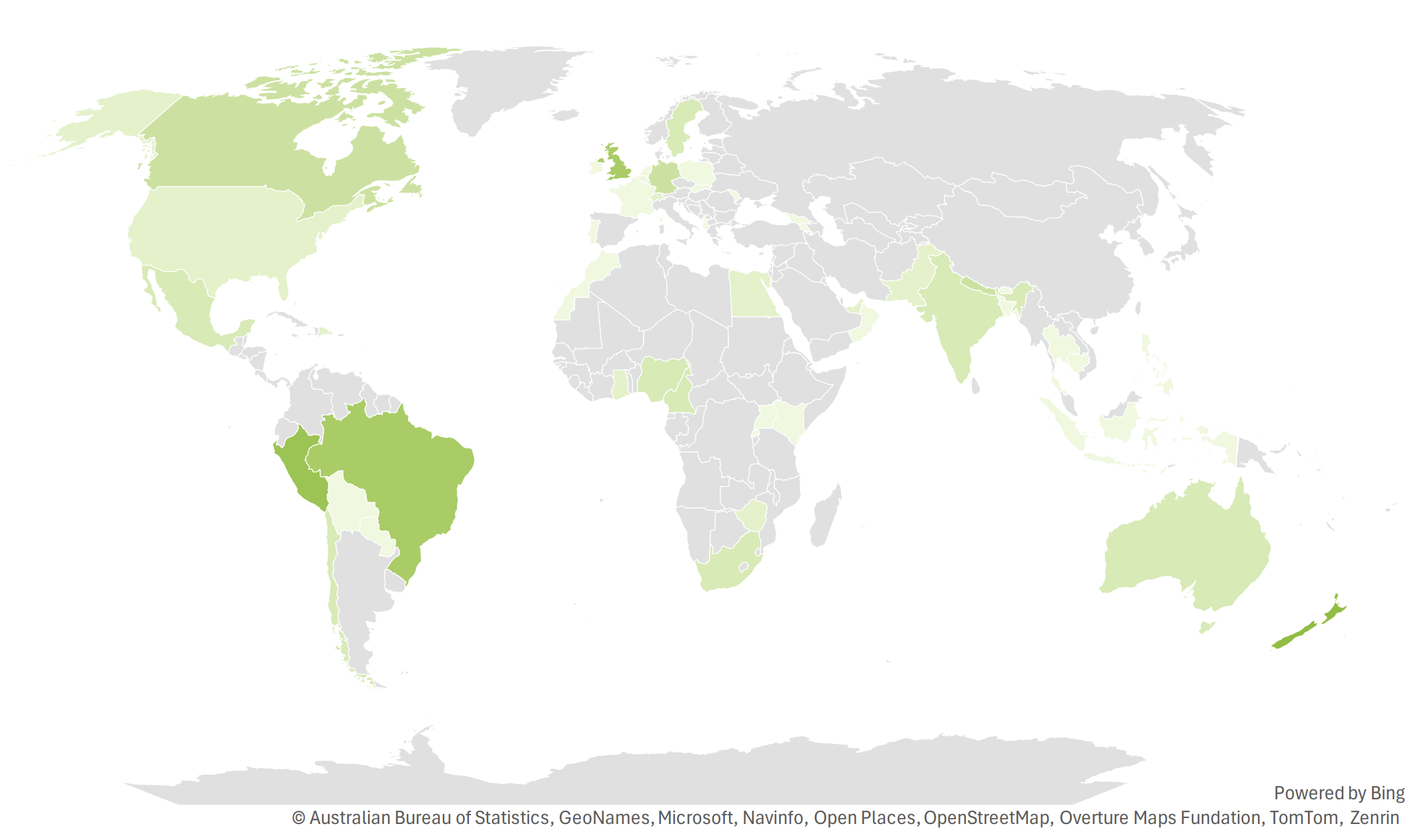
Our survey of policymakers received 109 responses from 49 countries across all five continents (see Figure 1).
The responses of this diverse set of survey participants (see Figure 2) revealed common themes and several interlinked critical challenges that affect the entire trajectory of health policymaking, from development via implementation to impact evaluation (see Figure 3). Whilst not all nuances originating from different settings can be reflected in this report, the challenges to policymaking can be grouped into three main areas mentioned above.
These common challenges identified through our survey are outlined and contextualised in the following subsections. Additional information on the survey, including its methodology, is reported in Annex 9.3 of this report.
Figure 1: Geographic distribution of survey respondents across 49 countries (n=109)
Source: Nature Research Intelligence (2025), commissioned by the Global Health Policy Lab.
Short-Termism and Political Pressure for Quick Results
Thinking in electoral cycles and political pressure for quick wins weakens policy continuity and discourages long-term structural reform.
The first area of challenges centres around short-termism and pressure to deliver quick results. Many policymakers operate under an intense pressure to deliver visible results within short electoral or funding cycles, with 90% of survey respondents indicating this as a major or moderate challenge in their work. Frequent changes in political leadership, cabinet reshuffles, and shifting agendas were reported to disrupt the continuity of multi-year reforms and long-term strategies. This stems from the tendency to deprioritise structural, preventive, and system-strengthening measures whose benefits are less immediate or more difficult to attain. In this environment, incremental initiatives and projects, that promise quick wins or highly visible outcomes, are often favoured — typically in response to immediate pressures or external demands. This is at the expense of more ambitious reforms or higher-risk experimental intervention models where sustainable health outcomes are uncertain and may only materialise over long time frames. For example, ribbon-cutting ceremonies for new high-tech health facilities in a high-income country may yield more immediate political and public recognition than sustained investment in prevention measures such as health promotion, even when the latter offers greater long-term impact.
Related to short-termism, respondents from across the globe highlighted a frequent absence of clear strategic planning and coherent national priority setting. This relates to policy environments in which priorities are inconsistently aligned across parliamentary and governmental stakeholders, often reflecting fragmented mandates and competing political priorities. Even where horizontal collaboration mechanisms exist, inputs tend to remain siloed, with individual actors failing to jointly develop an integrated strategy. As a result, issues are addressed in parallel or not at all, rather than systematically assessed and ranked, impeding the development of a coherent national approach to priority setting.
Figure 2: Distribution of current professional roles in health policy (n=108)
Researcher or analyst supporting government policymaking
Civil servant or government official
Member of Parliament or equivalent elected official
Source: Nature Research Intelligence (2025), commissioned by the Global Health Policy Lab.
Stretched Resources and Limited Access to Best Practices
Stretched resources and limited access to best practices constrain evidence-informed planning and weaken policy implementation.
A second major challenge, identified by 85% of respondents, is the chronic under-resourcing (time, funding, human capacity) of policy work itself. Policymakers across low-, middle-, and high-income country settings alike described working within small policy and planning units that are overstretched and operate largely in reactive mode. Time constraints are a particular barrier to in-depth analyses, stakeholder consultation, reflections on previous initiatives or learnings from interventions in other comparable settings (e.g., neighbouring regions with similar disease burden or health system set-up). Crucially, budgets for new policies rarely cover the full implementation and evaluation chain, including workforce training, supervision, communication, logistics, information systems, as well as monitoring and evaluation metrics. As a result, health policies may be formally adopted but only partially or unevenly implemented in practice, reinforcing a gap between stated policy ambitions and what can realistically be delivered and achieved in practice to improve wellbeing. In the context of limitation in resources, just short of half of the survey respondents (44%) further stated that they cannot easily find, compare or assess health policies from other jurisdictions. Relevant documents may not be publicly available, be buried in large public or institutional archives, or lack clear labelling and metadata. Language barriers further complicate access to policy best practices and the ability of policymakers to learn, e.g., from other countries. These findings point to a demand and lack of resources for better organised, multilingual, and trustworthy mechanisms to discover, compare, and contextualise health policies across different settings.
Limitations in Relevant Expertise and Usage of Evidence
Gaps in health literacy, technical expertise, and stakeholder engagement hinder the integration of evidence into policymaking processes.
Regarding limited expertise and usage of evidence, nearly three-quarters of respondents (74%) testified to their limited understanding or training on health issues as being a major or moderate challenge, since they often do not come from a health-related background. This issue is strongly associated with difficulties interpreting complex scientific, medical, or technical terminology, impacting policymakers’ ability to assess the relevance and implications of such evidence in policy choices. This skills gap reduces confidence in engaging with technical material and increases reliance on external advisers, who may not always be well integrated into decision-making processes. This can increase the risk of policy capture, e.g., where advisory input is not transparently balanced across stakeholders. Insufficient training can further limit the range of policy options considered and reduce the effective use of available evidence. In addition to limitations in health and scientific literacy of policymakers, gaps in policymaker engagement with key stakeholders aggravate problems in policy formulation, implementation, and impact evaluation processes. Time constraints, resource limitations, and political pressures described earlier often restrict meaningful consultation with stakeholders such as health or research experts, as well as civil society organisations, professional associations, subnational authorities, service providers, and affected communities. In some cases, engagement was described as occurring late in the process or being largely formalistic, rather than shaping policy design in substantive ways. Tokenism in engagement, e.g., with patient associations for publicity purposes, leads to distrust and lack of engagement, disruption of the democratic process, and, ultimately, to policies that do not align with patients' needs and interests. In short, insufficient stakeholder engagement may weaken implementation and increase societal resistance once policies are rolled out. Overall, limited stakeholder engagement can undermine the legitimacy, effectiveness, and trust in health policies.
Figure 3: Extent of the challenges to health policymaking experienced by respondents
Major impact
Moderate impact
Minor impact
Not a challenge
Insufficient resources to develop or implement new health policies
Lack of strategic planning or clear national priority setting
Political constraints or pressure to focus on short-term results
Limited understanding or training on health issues among policymakers
Difficulty interpreting complex scientific or medical terminology
Limited availability or access to relevant scientific evidence to inform health policy development
Limited access to health policy documents from other countries
Limited access to examples of best practices in health policymaking
Limited engagement with key stakeholders
Source: Nature Research Intelligence (2025), commissioned by the Global Health Policy Lab.
Research evidence supports our findings from the survey of policymakers. It is important to note here that the global landscape of health policy faces deep-seated challenges that differ significantly across income settings. Existing literature points out that low- and middle-income countries face systematically greater hurdles such as more intense political instability, deeper resource constraints, weaker evidence infrastructure, and less-institutionalised stakeholder processes. In contrast, high-income countries, despite their own pressures, benefit from stronger cushioning mechanisms such as resource availability and political stability [1]. Addressing these issues requires context-sensitive solutions that acknowledge both shared problems as well as systems and capacity differences between settings.
Short-Termism and Political Pressure for Quick Results
A persistent difficulty is policy myopia, where the pressures of electoral cycles and short-term incentives often overshadow future health consequences, leading to inefficient resource use and delayed responses to emerging crises [2], [3], [4]. To counter the negative impacts of short-termism, research highlights the need for flexible policy design and strategic foresight, enabling both long-term planning and necessary rapid responses [4], [5], [6].
Real-World Experience: Learning from the Policy Prototyping Approach
A substantial body of literature highlights a persistent lag of around 17 years [7] for scientific evidence to translate into policy. At the World Health Organization’s (WHO) 2023 Global Evidence-to-Policy Summit, leaders highlighted that only about 14% of research was ultimately taken up into routine policy or practice. This underscores that valuable scientific evidence remains underused and there remains an urgent need to bridge the gap between research and decision-making. To accelerate this process and narrow the ‘know–do gap’, the APHRC’s ‘Catalyze Impact Initiative’ explored an iterative, collaborative, and evidence-informed approach.
Drawing on principles of adaptive governance, this approach embeds learning directly into the policymaking cycle through experimentation, continuous feedback, and co-creation with diverse stakeholders. This method has successfully reduced the time lag between research generation and policy uptake to four years or less.
The initiative was applied in Ethiopia and Nigeria, among others, following three core iterative cycles: problem framing and co-design, rapid iteration and testing, as well as learning and adaptation. Key improvements overcoming existing challenges of short-termism and political pressures include:
- Nigeria: To address alarmingly high maternal mortality, Kano and Lagos state health ministries established sample registration systems. These generated timely, policy-relevant data on maternal deaths occurring outside health facilities, directly addressing lack of contextual data availability to inform decision-making processes. In Lagos, this also extended to the co-creation of an Intellectual Property Desk within the Ministry of Health, strengthening governance and incentivising innovation capacity.
- Ethiopia: An approach characterised by strong local ownership and inclusive stakeholder consultations led to the development of Ethiopia’s National Research Roadmap 2025–2030, demonstrating how evidence synthesis can be translated into actionable national strategies.
Key Takeaways
The ‘Catalyze Impact Initiative’ demonstrates that sustained engagement by high-level political champions and the establishment of dedicated technical working groups were critical enablers in all contexts. The pace and depth of policy uptake varied significantly based on political culture and institutional capacity, proving that implementation must always be highly adapted to the specific political economy. Overall, accelerating evidence-to-policy translation is not simply a technical challenge; it is an institutional and relational one. The process empirically demonstrates that co-creation of research agendas significantly accelerates evidence uptake, and sustained local partnerships and agile learning processes are crucial for ownership and long-term sustainability.
Stretched Resources and Limited Access to Best Practices
For policymakers, particularly in resource-constrained contexts in parts of Africa, Latin America, and Asia, allocating limited financial, human, and systemic resources is a constant struggle. Scholars recommend using ethical and practical frameworks, such as accountability and cost-effectiveness analysis, to balance equity and efficiency in decision-making [8]. Effective resource allocation depends not only on smart frameworks but also on adaptive policymaking, robust stakeholder engagement, and ongoing dialogue. Getting policies to work on the ground remains challenging due to weak infrastructure, limited technical and legislative capacity, and complex socio-cultural dynamics, which frequently result in policy gridlocks [9], [10].
Real-World Experience: The Bangladesh Paradox
A recent study by Iqbal [11] examines the structure, performance and ongoing challenges of the Bangladeshi healthcare system, a low-income, high-demand context. It offers a useful case for understanding how health systems function under conditions of constrained resources and uneven access to best practices.
The ‘Bangladesh paradox’ highlights the country’s ability to secure exceptional health milestones despite the unfavourable context. Over recent decades, Bangladesh recorded substantial gains in life expectancy (increasing by 20 years), reductions in infant and maternal mortality, and near-universal childhood immunisation coverage. These achievements appear counterintuitive given the country’s decentralised and fragmented healthcare system challenged by:
- Low public health investment, forcing many citizens to rely on high out-of-pocket payments, creating a catastrophic financial burden that pushes impoverished families deeper into poverty or causes them to forgo life-saving treatment.
- Workforce inequities driven by a critical shortage of skilled professionals and an uneven distribution of skills. Despite increased medical school enrolment, a critical shortage of professionals persists leaving rural primary care centres severely understaffed and near collapse.
- Organisational deficiencies and the lack of robust quality management systems that eroded public trust in domestic care and drives up medical tourism abroad to find reliable care.
At the same time, according to Iqbal and the wider evidence he draws on, health gains were driven by a combination of pragmatic and targeted community-based interventions including:
- Bangladesh expanded the use of community health workers and outreach programmes that brought basic services particularly to rural and underserved areas. Further, there was a deliberate targeting of women, recognising their central role in family and community health, thereby driving improvements in child survival and overall life expectancy.
- Active involvement of non-state actors in service delivery, health education, and innovation, with these complementing government efforts, e.g., through new delivery models to reach populations that the formal system struggled to serve.
- Despite political and system-level challenges, there was long-term policy consistency pertained to goals such as fertility reduction, child survival, and immunisation. This allowed programmes to mature and deliver cumulative benefits over time.
- Integration of health with broader social development: Improvements in education, particularly for girls, poverty reduction efforts and community mobilisation reinforced health gains. These social factors amplified the impact of health interventions even when the healthcare system itself remained under strain.
Key Takeaways
Success was driven by equity-oriented interventions, strategic public-private partnerships, and targeted non-governmental organisation (NGO) involvement. By prioritising broad population coverage over formal infrastructure, Bangladesh proved that focused strategies could drive clinical success amidst resource scarcity. Emphasising low-cost, high-impact public health interventions such as infectious disease control, Bangladesh managed to reduce deaths and illness at scale without relying heavily on hospitals, specialists or expensive technologies. That said, systemic barriers persist, continuing to challenge equitable access to quality care in Bangladesh. Consequently, the author’s recommendations include increasing government funding, improving rural facilities, addressing inequity, and implementing a dynamic policy approach.
Limitations in Relevant Expertise and Usage of Evidence
Beyond the resource constraints, policymakers often struggle with limitations in expertise, e.g., public health literacy, and effective stakeholder engagement in various regions, including Africa, Asia, and Europe [9], [12]. This can make policymakers more vulnerable to conflicts of interest; lobbyists may use the knowledge imbalance to influence less informed policymakers based on weak or biased data. Close research–policymaker engagement has been shown to overcome the gap between evidence and policy [13].
Real-World Experience: Enhancing Policy Development and Implementation
From 2016 to 2021, APHRC implemented the ‘Immunization Advocacy Initiative’ in Côte d'Ivoire, Ghana, and Kenya, aimed at advocating for increased domestic financing for immunisation by strengthening civil society capacity to use evidence in engaging policymakers. The project's experiences highlighted two critical challenges that align with our survey findings:
- Limited understanding and interpretation of technical documents by some policymakers: Policymakers and decision-makers often struggled to understand and interpret technical immunisation documents, hindering evidence-informed decision-making.
Through partnership with a civil society organisation with expertise in budget advocacy the County Finance and Economic Planning team in Kenya was sensitised on the importance of domestic immunisation financing and strategies for ensuring full budget absorption.
This targeted engagement resulted in two significant outcomes: firstly, the immunisation budget line for Narok county in Kenya was coded to ring-fence the allocation, protecting it from reallocation, and the County Assembly approved increased funding for immunisation in the 2020/2021 county budget. Secondly, the Ministry of Health developed and launched the national immunisation policy guidelines 2023.
- Limited accessibility of updated immunisation documents: A review of the Ministry of Health's websites revealed that immunisation-related policy documents were either outdated, poorly organised, or difficult to locate, severely hampering advocacy efforts. This gap further weakened accountability mechanisms, as advocates lacked the most recent policy frameworks needed to hold duty bearers accountable for their mandates. Broader weaknesses in policy documentation and implementation tracking were also identified.
Key Takeaways
The ‘Immunization Advocacy Initiative’ highlighted the need to have technical documents translated into decision-maker-friendly formats, and for governments to invest in knowledge management systems that ensure policies are up to date and accessible to all stakeholders.
5Investigating Solutions
The key barriers to effective policymaking outlined in this report are politicisation and ministerial turnover; difficult to access, weak or fragmented health data; sub-optimal decision-making due to resource gaps, lack of best practices, and relevant expertise. Approaches to overcome challenges in health policymaking presented in this section of the report are not ranked by priority, nor applicability to different settings or otherwise. Instead, opportunities to tackle these issues are summarised here under the three main themes set out in section 3 and supported by evidence from the research literature. The subsequent section on ‘solutions in action’ brings successful policymaking based on some such approaches to life. This is followed by a set of forward-looking recommendations within short-term, medium-term, and long-term time frames.
A diverse set of practical and systemic reforms were proposed by the survey respondents to address persistent barriers to effective, transparent, and sustainable policymaking.
Short-Termism and Political Pressure for Quick Results
- Cross-Party Strategies: To counter the challenge of short political cycles, establishing long-term cross-party groups (see case studies Ireland and Germany) with a defined mandate, multi-year work plans, and continuity rules as well as roadmaps for health reform can be an effective way forward.
- Consistent Technical Support: Creating protected technical teams that survive cabinet changes and ministerial turnover.
In this context, WHO’s efforts are noteworthy: Following the 2011 World Health Assembly resolution to build more robust health policies, strategies, and plans, the WHO over the following decade deployed more than 130 health policy advisers to 115 countries. This created one of the largest and most effective operational platforms and networks for international cooperation to strengthen countries’ health policy process capacities and generate political commitment, evidence, and dialogue for policymaking processes [14].
- Focus on Implementation, MEL Integration to Enhance Systemic Strengths: Develop new policies that include concise implementation approaches and embed monitoring, evaluation, and learning (MEL) that facilitate impact assessment towards increased transparency in policy development and long-term accountability by governments. Policymakers must commit resources to strengthening health systems, including investments in healthcare infrastructure and training for the workforce [8]. Robust monitoring and evaluation mechanisms are necessary to track policy outcomes, ensure accountability, and facilitate continuous, iterative improvement. A good exemplar of how to incorporate this at the policy formulation stage, is the Republic of Ghana ‘National Public Policy Formulation Guidelines’ [15]. The below Mexico case study demonstrates this approach in action.
- Improved Communication and Use of Plain Language: Using plain language summaries of policy documents for use by policymakers is essential for public trust and accessibility. Responsible use of AI can be highly effective in this respect. Clear communication requires cultural competence and audience segmentation. Consequently, communication of health policy must be tailored to the diversity that exists in specific cultural and linguistic contexts, and collaboration with community leaders is key to reducing barriers to understanding and access [16]. Using inclusive tools—plain language, visual aids, and digital platforms—improves accessibility for diverse populations.
Stretched Resources and Limited Access to Best Practices
- Invest in Modern Data Systems and Evidence Hubs: Establishing centralised ‘Health Policy Evidence Hubs’ that combine three functions: (a) rapid evidence synthesis for policymakers, (b) curated access to comparable international policy examples, and (c) translation of technical evidence into decision-ready briefs. An example for this is EVIPNet, a global WHO-led initiative using cutting-edge approaches to knowledge translation to improve health policymaking. It supports countries in applying the best available evidence to deliver high-quality and effective healthcare policies and sustainably strengthen national health systems. This is done by tailoring evidence-informed decision-making to national health priorities, drawing on the available global and local evidence, data analyses, technology assessments, cost-effectiveness analysis, and guidelines.
- Create, Update, and Sustain Central Open Repositories: Establishing or building on existing central, open, and searchable repositories for policies, laws, evaluations, and case studies to improve Governance and Transparency. Existing infrastructures [17] have several limitations that prevent policymakers from quickly identifying relevant precedents. A policy, national health strategy, national control plan, action plan or guideline adopted or otherwise officially and publicly endorsed by a government (legislature or a government agency) should be publicly accessible, but may not be available through government sites or access-restricted by some repositories. GHPL, whilst still in its early stages, has set as one of its goals by means of its Digital Repository for Health Policy, to provide AI-enabled tools and clear insights, to accelerate the translation of science-informed recommendations into concrete laws, policies, and interventions. What sets the GHPL Digital Repository apart from existing health policy document repositories is its first-of-its-kind automated document collection and process infrastructure, which provides the community with a highly scalable platform, covering multiple health issues on a global scale.
- ‘Health in All Policies’ (HiAP): To break down ‘siloed decision-making’, take a HiAP approach and apply cross-sector budgeting (e.g., joint planning for mental health and housing). Finland was an early adopter of the HiAP approach. The North Karelia Project, launched in 1972, addressed high rates of coronary heart disease by engaging multiple sectors, including community organisations, food producers, and schools [18]. Supported by Finnish authorities and the WHO, the project led to major reductions in cardiovascular mortality and is widely cited as a successful example of cross-sector collaboration.
- Make Evidence the Default: Making evidence the ‘default starting point’ by requiring major policies to build on best-practice and local evidence briefs. This is well illustrated in the case study on sepsis across Australia, Ireland, and the UK (see section 4.2). That said, what works in high-income countries illustrated as in the said case study, may not be adaptable to low-resource settings or vice versa.
Limitations in Relevant Expertise and Usage of Evidence
- Policymaker Capability Strengthening and Enhanced Health and Policy Literacy: To address skills gaps in areas, including health economics, policy evaluation, and ethics, invest in capability strengthening for policy teams. The WHO European Health Literacy Action Plan, for instance, exemplifies an approach that emphasises co-creation and iterative consultation with stakeholders to ensure relevance and effectiveness [9], [10].
- Foster Stakeholder Engagement and Co-Design from the Start: Involving a broad range of stakeholders, from community members to international partners, in the policy development process significantly enhances a policy's relevance and acceptance [7]. An excellent example of effective combined government, industry, and public stakeholder action is given in the case study from Egypt, thereby reaching hepatitis C disease elimination targets early. Especially in regions like Africa, community engagement is vital for aligning policies with local needs.
- Promote International Learning and Ensure Local Adaptation: A ‘one-size-fits-all’ approach is seen as a failure point, hence ensure national policies are differentiated and adapted to local contexts. As one of the survey respondents aptly put it, ‘Borrow brilliance: adapt what works elsewhere to fit here’ through peer exchange and shared policy repositories.
The translation of science-informed evidence into health policy and practice is a complex and iterative process, often conceptualised through frameworks such as the ‘Evidence-Informed Policy and Practice Pathway’ [19]. Research findings must not only be generated but also adopted, adapted, and implemented by policymakers. The case studies included in this report originate from UNITE members who are current or former members of parliaments. They demonstrate perspectives essential to understanding political incentives, constraints, and opportunities for actionable solutions in policymaking and showcasing successes in these processes.
By Hon. Amira Saber
Challenge
Tackling the country-wide hepatitis C burden with limited resources as well as siloed actors and approaches
Intervention
A whole-of-government and whole-of-society approach to mass screening and treating, utilising digital support technologies
Impact
Disease elimination targets achieved early, sustainably strengthened national health system
Hon. Amira Saber
Senator-Secretary General of the Human Rights and Social Solidarity Committee, Egyptian Senate
For decades, hepatitis C posed a major public health crisis in Egypt, with one of the highest prevalence rates globally. This burden stemmed from unsafe medical practices and limited access to effective treatment. Yet, in 2023, Egypt became the first country to achieve ‘gold tier’ status as part of WHO’s ‘Triple Elimination Initiative’ on the path to hepatitis C elimination. This nationally recognised success was driven by a whole-of-government and whole-of-society approach centred on mass screening, treatment, and system-wide coordination. In tackling its hepatitis C burden, Egypt faced a combination of challenges highlighted in this report. These included political pressure to deliver results at scale, resource constraints, and limited access to effective treatment options in the early phase of response. Prior to 2014, interferon-based therapies had low cure rates and undesired side effects, which contributed to public scepticism and weak uptake. The logistical complexity of nationwide screening, workforce strain at primary care level, data integration challenges, and the need to ensure equitable access in remote and underserved areas further compounded implementation difficulties.
The core policy response was the National Plan for the Elimination of Hepatitis C Virus (HCV), anchored in mass screening and state-funded treatment. Implementation was led by the National Committee for Control of Viral Hepatitis, established in 2006. A major turning point occurred in 2014 with the scale-up of treatment through a shift from interferon to highly effective direct-acting antivirals (e.g., sofosbuvir and daclatasvir). Government-led negotiation enabled affordable pricing and local generic production. Primary healthcare facilities were integrated into service delivery, supported by centralised data systems. Between 2018 and 2019, the President launched the ‘100 Million Health’ initiative, resulting in nationwide screening of more than 60 million people. A web-based registration and linkage-to-care platform was introduced to manage appointments and embed testing, treatment delivery, and follow-up within the same public healthcare system.
Within four years, more than four million people received curative treatment, achieving sustained response rates exceeding 95%. Hepatitis C prevalence declined from approximately 6% in 2015 to around 0.4% in 2021. With this, Egypt became the first country to meet WHO elimination targets ahead of 2030. Progress was monitored through real-time digital dashboards, treatment completion data, and independent prevalence surveys.
The initiative reduced liver-related mortality and long-term healthcare costs, while strengthening primary healthcare infrastructure and public trust in preventive health services. The screening and treatment campaigns are estimated to yield economic gains exceeding USD 7 billion by 2030 through reduced hospitalisations, lower long-term public health expenditure, and increased workforce productivity. Egypt’s experience shows that commitment across political actors, centralised coordination, simplified clinical pathways, domestic pharmaceutical capacity, and digital health systems can enable rapid disease elimination at scale.
By Hon. Denis Naughten
Challenge
Short-term politics blocking durable health system reform
Intervention
Cross-party, evidence-informed reform process with academic facilitation
Impact
Durable ten-year universal healthcare plan sustained across elections and cabinet reshuffles
Hon. Denis Naughten
Former Communications, Climate, Environment, Energy Minister and M.P., Ireland
Ireland’s health system has long operated as a two-tier system, with access to care shaped by individuals’ ability to pay. Prior to 2016, successive health ministers promised reform, yet patients experienced little tangible improvement. Structural reorganisations, agency rebranding, and increased budgets resulted in what was described as ‘churn without change’. Health reform efforts repeatedly stalled amid political turnover and competing priorities.
The central challenge faced by the Irish political system was short-termism linked to political cycles, a key problem raised by those involved in policy development globally. Health policy reform lacked durability across electoral cycles, and deeply entrenched ideological differences prevented consensus on long-term system transformation. Parliamentarians faced conflicting claims from a wide range of stakeholders, making agreement on universal healthcare politically contentious and difficult to sustain. The turning point came following a hung parliament, which necessitated cross-party cooperation. Fourteen parliamentarians from across the political spectrum agreed to develop a shared reform agenda grounded in evidence. Academic experts from Trinity College Dublin and the European Observatory supported the process as technical advisers. Three structured workshops, facilitated by the academic team, enabled parliamentarians to test contested policy questions against evidence and work through disagreements. This process resulted in the Sláintecare Report, a ten-year plan for health system reform aimed at delivering universal healthcare based on patient need and not the ability to pay.
The immediate outcome was a ten-year health reform roadmap that all major political parties could support. Despite delays in implementation caused by the COVID-19 pandemic, eight years on no party has disowned the plan, despite elections, cabinet reshuffles, and health crises. This durability was attributed to the clarity and credibility of the evidence base, which helped create consensus where ideology had previously blocked progress.
Sláintecare demonstrates that evidence-informed policy development can stabilise politics and sustain momentum over time, whereas ideology stalls reform. Early and structured engagement with academic experts, treated as honest brokers, can support cross-party consensus on complex health reforms. In this case, cross-party durability itself became a critical policy outcome.
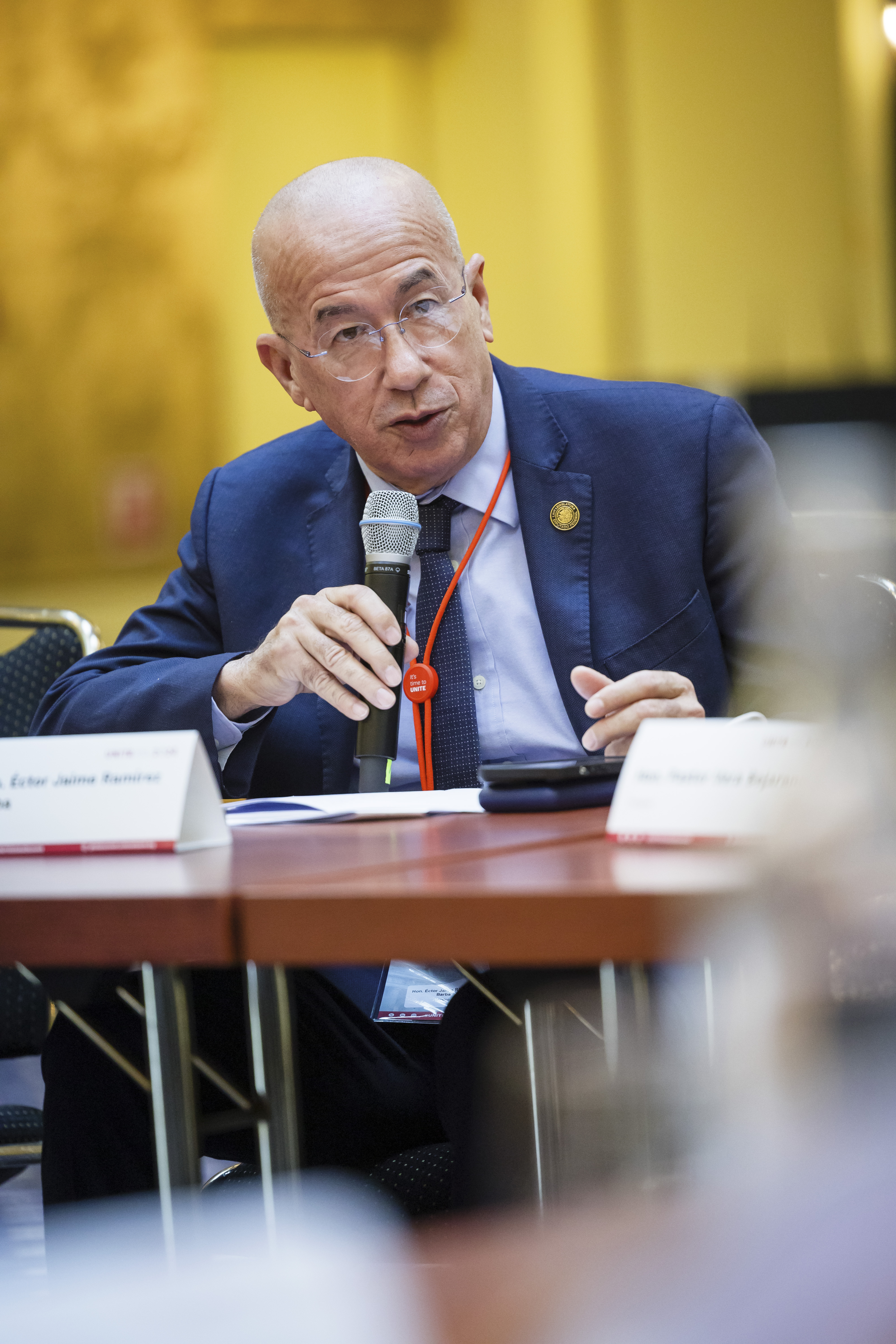
By Hon. Éctor Jaime Ramírez Barba
Challenge
Excessive maternal mortality due to resource constraints in underserved population
Intervention
Context-specific adaptation of best practice care provisions with progress monitoring
Impact
Evidence-informed sustainable changes to health services leading to vastly improved survival rate
Hon. Éctor Jaime Ramírez Barba
Federal Deputy (Majority) LXVI Legislature (2024–2027) for the Partido Acción Nacional in the Chamber of Deputies of the H. Congress of the Union Mexico
In 2002, the Mexican state of Chiapas recorded the highest maternal mortality rate across Mexico, disproportionately affecting indigenous populations living in conditions of extreme poverty and geographic isolation. Women faced long distances to hospitals, which often required four to eight hours of travel, alongside the absence of ambulances, linguistic barriers, and a non-existent referral and counter-referral system. As a result, 72% of maternal deaths occurred due to delays in accessing timely and appropriate care.
The central challenges in this context were stretched resources combined with limited access to effective implementation mechanisms. Whilst national policies prioritised maternal health, the lack of transport infrastructure, trained personnel, and functional coordination across levels of care prevented policies from translating into life-saving services on the ground. These constraints were further compounded by poverty, institutional fragmentation, and the marginalisation of indigenous communities.
The policy response was grounded in existing national and state frameworks, which prioritised the creation of an Emergency Obstetric and Neonatal Transport Network (Red TEON) with an intercultural approach. In partnership with UNICEF, Chiapas Health Services initiated a participatory needs assessment across 40 priority municipalities, working directly with indigenous authorities to design an operationally feasible model. Implementation occurred in phases. The initial phase focused on deploying adapted four-wheel-drive ambulances, training bilingual emergency medical technicians, establishing a 24/7 communication system, and introducing activation protocols initiated by traditional birth attendants.
Following positive trialling results, the network was expanded and institutionalised within state programmes, later integrated into public health insurance to remove financial barriers. Over time, telemedicine and mobile applications were incorporated to support direct service requests and coordination.
Between 2002 and 2024, maternal mortality in Chiapas declined from 124.7 to 92.4 per 100,000 live births, representing a substantial absolute reduction. Average transfer times from obstetric complication to hospital arrival fell by 75%, from 8.4 hours to 2.1 hours. More than 247,000 emergency obstetric transfers were conducted with a survival rate exceeding 98%. Monitoring was enabled through an electronic information system and supported by multiple external evaluations.
The Chiapas experience demonstrates that targeted, culturally competent implementation mechanisms—even within highly resource-constrained settings—can translate policy intent into measurable health gains. It illustrates how addressing access barriers through pragmatic system design can significantly reduce preventable mortality where broader structural reform is slow or contested.
By Hon. Mariam Jashi
Challenge
Scientific evidence to policy translation gap and high sepsis burden
Intervention
Introduction of expert-informed national disease plans with standardised clinical pathways and workforce training
Impact
Major mortality reduction and significant healthcare cost savings
Hon. Mariam Jashi
Former Member of Parliament, Fraction Chair, Committee Chair, Parliament of Georgia
Sepsis represents a global health threat affecting up to 50 million people annually and causing an estimated 11 million deaths worldwide. Despite its scale, sepsis has historically been under-recognised within national health systems. This multi-country case draws on policy and implementation experiences from Australia, Ireland, and the United Kingdom (UK) to illustrate how elevating sepsis as a health system priority can improve outcomes and reduce costs.
A shared challenge across these contexts was the limited use of evidence in routine decision-making, coupled with fragmented responsibility for early detection and treatment—closely aligning with this report’s findings on limitations in relevant expertise and usage of evidence. In all three countries, preventable deaths persisted despite available clinical knowledge, reflecting gaps between evidence generation and consistent application in practice.
Each country adopted context-specific approaches anchored in national sepsis treatment bundles. Ireland implemented a National Clinical Guideline on Sepsis Management in 2014, supported by nationwide workforce training across emergency, medical, surgical, and ward settings. The UK adopted cross-system sepsis action plans, embedded sepsis into the national early warning system, issued guidelines, and launched public awareness campaigns. In Australia, statewide implementation in Victoria resulted in a 50% reduction in sepsis mortality, a 34% reduction in intensive care unit admissions, and significant cost savings with a six-fold return on investment.
In Ireland, sepsis-related mortality declined over a decade despite increased incidence during COVID-19. In the UK, widespread adoption of the ‘Sepsis Six’ bundle reduced the relative risk of death by 46.6%, while public awareness of sepsis as a medical emergency increased dramatically, from 27% in 2012 to over 90% by 2025. This case demonstrates that making evidence the default starting point for policy and practice, supported by training, data systems, and public engagement, can deliver substantial health and economic benefits. It also highlights the risks of inaction when evidence-based interventions are not embedded into routine health system functioning.
By Hon. Sonia Sidhu
Challenge
Fragmented governance and data limiting coordinated AI adoption
Intervention
National consensus-building on AI governance and clinical integration
Impact
Clearer policy direction enabling scalable, trusted AI deployment
Hon. Sonia Sidhu
Member of Parliament for Brampton South, Canada
AI in the healthcare system offers opportunities to strengthen early detection, screening, and system efficiency. In Canada, adoption has been constrained by fragmented data systems, uneven digital readiness across provinces, cybersecurity risks, and the need to safeguard public trust when using sensitive personal health information. The central challenge in this case aligns closely with several barriers identified in this report: fragmented mandates and diverging political priorities within a country, and limitations in relevant expertise and usage of evidence. While AI tools show promise in addressing workforce and efficiency pressures, fragmented health data, limited interoperability, and variable clinician AI literacy have slowed adoption. Shared federal–provincial jurisdiction further complicates coordination, while governance frameworks have not yet fully addressed non–medical-device AI tools, creating uncertainty for scale-up and evaluation.
The policy context for this work includes Canada’s Pan-Canadian AI for Health Guiding Principles, the Joint Federal–Provincial–Territorial Action Plan on Health Data and Digital Health, and Health Canada’s pre-market guidance for machine learning–enabled medical devices. International comparators such as the European Union’s Artificial Intelligence Act, the UK’s Medicines and Healthcare products Regulatory Agency AI Airlock, and U.S. Food and Drug Administration agency guidance informed discussions on responsible governance and risk-based regulation.
In 2025, a national AI in Healthcare Summit was convened, bringing together clinicians, researchers, health system leaders, industry representatives, and cybersecurity experts. The Summit focused on clinician-led AI deployment for early screening, interoperable and secure data infrastructure, and operational efficiency.
Measurable and near-term impacts of responsible AI use were highlighted: AI-assisted colonoscopy and diabetic retinopathy screening improve early detection, particularly in underserved communities, reducing downstream treatment costs. AI scribes save an estimated 40–60 minutes per physician per day, supporting workforce sustainability and efforts to reduce administrative burden. Hospitals report improved bed management, outbreak detection, and patient flow through AI-enabled analytics. These findings align with international experience, demonstrating that coordinated governance can accelerate safe adoption and system-level benefits.
Importantly, the Summit generated consensus around embedding AI within clinical workflows, prioritising Canadian data sovereignty, and aligning AI adoption with broader federal–provincial health system modernisation efforts. It shows that moving from isolated pilots to system-wide impact depends on trust, data governance, and federal leadership to coordinate responsible adoption across jurisdictions.
By Hon. Andrew Ullmann and Bettina Blösl
Challenge
Fragmented short-term parliamentary handling of transnational global health issues
Intervention
Creation of cross-party Global Health Subcommittee with expert hearings
Impact
Strengthened parliamentary capacity to deliberate on complex global health issues such as COVID-19
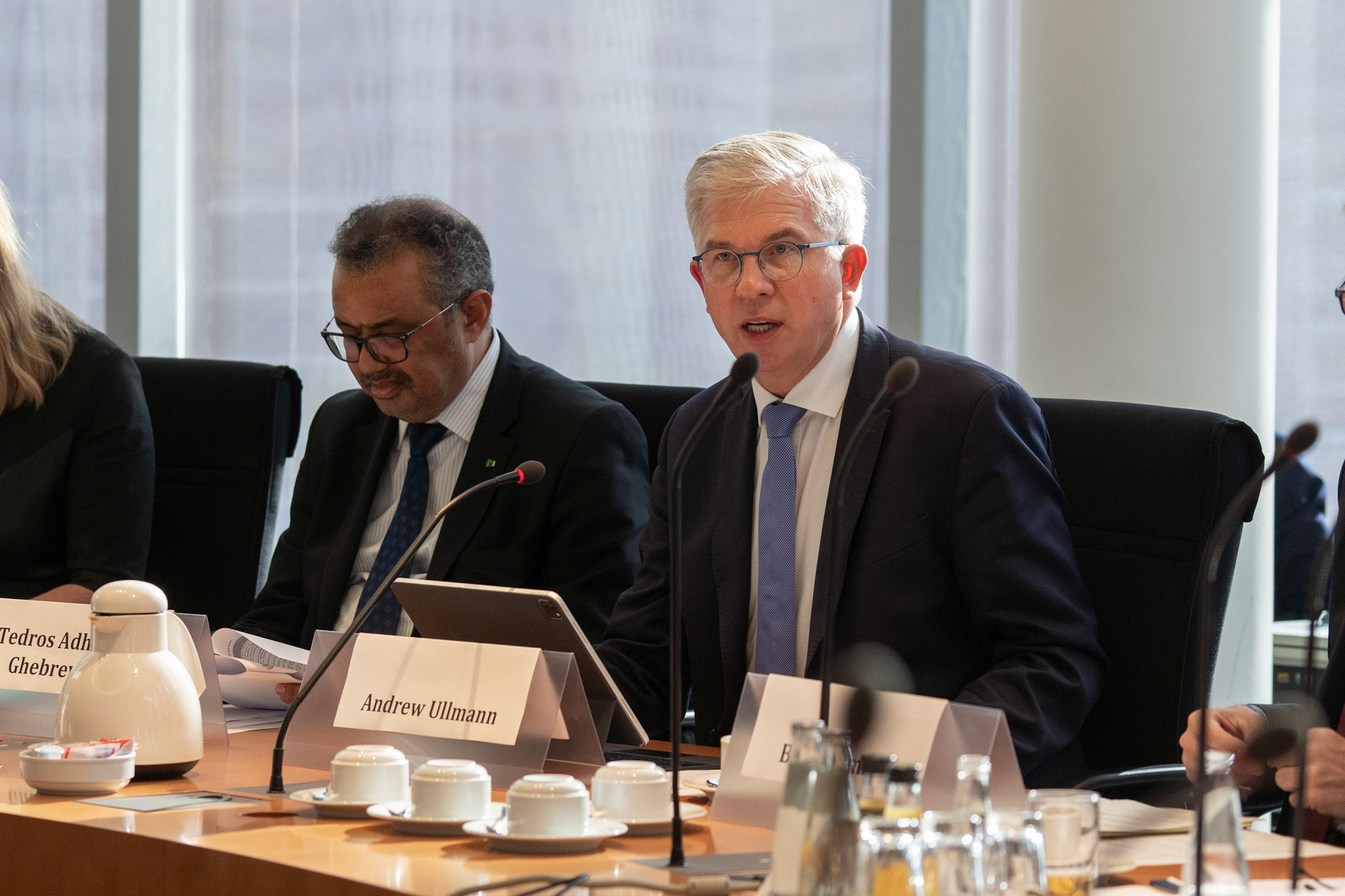
Hon. Andrew Ullmann
Former Member of the German Bundestag, Germany
In Germany, global health issues had long been addressed in fragmented ways across parliamentary committees and government ministries, limiting continuity, institutional memory, and systematic engagement with evidence. Despite growing interdependence between global and national health outcomes, parliamentary processes struggled to keep pace with the transnational nature of health risks. A clear example of short-termism and fragmented governance, both central hindrances to good policymaking identified in this report. Global health debates were often reactive, crisis-driven, and vulnerable to electoral cycles, rather than embedded within durable parliamentary structures capable of sustained oversight and learning.
In response, parliamentary groups in the German Bundestag established a Subcommittee on Global Health within the Committee on Health during the 19th and 20th legislative periods. Driven by cross-party engagement and supported by regular expert hearings, the subcommittee created a permanent forum for agenda-setting, evidence gathering, and dialogue with international organisations, civil society, and relevant ministries. Global health was embedded into routine parliamentary procedures rather than addressed on an ad hoc basis.
This institutional innovation strengthened parliamentary capacity to deliberate on complex global health issues, particularly during the COVID-19 pandemic. The subcommittee enhanced continuity across legislative cycles, improved the visibility of global health within parliament, and supported informed debate on pandemic preparedness, multilateral cooperation, and health security. Notable moments included a Bundestag session marking the 75th anniversary of the WHO and a parliamentary debate on the WHO Pandemic Agreement, both of which demonstrated broad cross-party support for multilateral approaches. At the same time, the case illustrates the fragility of process-oriented reforms. The subcommittee’s limited formal decision-making authority required constant coordination with other parliamentary bodies, and its continuation could not be guaranteed following subsequent elections. This experience reflects a recurring challenge highlighted in the report: even effective governance innovations remain vulnerable without sustained political commitment across electoral cycles.
The German case shows that institutionalising policymaking processes, rather than focusing solely on policy outputs, can enhance evidence use, stakeholder engagement, and continuity. It also highlights that safeguarding such structures requires ongoing political commitment to prevent regression to reactive and fragmented approaches.
6Recommendations
We set out in this report three recurring and interlinked challenge areas that policymakers face today, including political short-termism and pressure for quick results; stretched resources and limited access to best practices; and limitations in expertise and stakeholder engagement. To overcome these, several solutions have been proposed, which we summarise as recommendations to strengthen health policymaking. An optimal uptake of these recommendations requires deliberate sequencing of interventions: short-term procedural shifts, medium-term capacity strengthening, and long-term structural reform.
Short-term (0–2 years)
Leverage Technology in the Policymaking Processes
Policymakers should move quickly to rebalance short-term political pressures with structured, context-sensitive evidence-informed processes. To accomplish this, digital innovation can be leveraged pragmatically: AI-assisted evidence synthesis and searchable policy databases, such as provided by the GHPL Digital Repository, as well as best-practice dashboards can introduce evidence and real-world experience into the policymaking process in a feasible and time-efficient manner. Used responsibly, digital tools can help overstretched teams compare international approaches while adapting them to national and subnational contexts. These steps are low-cost but high impact: they aim at avoiding duplication, whilst facilitating evidence-informed proven solutions to be adapted in a context-specific manner into the policymaking process. Utilising cutting-edge technologies and AI tools should nonetheless be flanked with human oversight and expert input. Therefore, technical and scientific advisory groups should be established as independent boards on health policy such as government-appointed advisory boards on national economic policy.
Medium-term (3–5 years)
Make Evidence-Use the Default
Within the next five years, countries should invest in institutional mechanisms that make evidence use in policymaking processes a systematic default rather than the exception. This means mandating that all policy documents include concise evidence briefs drawing on both global best practices and local data, clear implementation pathways, and embedded monitoring, evaluation, and learning frameworks. A model could be the ‘Ghanaian National Public Policy Guidelines’, which explicitly outlines and standardises how science-informed evidence should be included in policy formulation and approval. This should be accompanied by standard practice professional development for parliamentary and ministerial staff in health literacy and ideally also economics, policy evaluation, and digital governance. This policymaker training can be linked to the work of national evidence hubs, similar to the EVIPNet model, which provides training alongside rapid information synthesis and contextual adaptation.
Long-term (5+ years)
Secure Structural Reform and Overcome Silos
Over the longer term, durable reform depends on structural reform to institutionalise continuity. Embedding ‘Health in All Policies’ approaches across budgeting processes, as demonstrated by the Finnish North Karelia Project, can reduce siloed decision-making. This could be facilitated by establishing standing cross-party health bodies, statutory evaluation requirements, and protected data governance frameworks. Outcome-oriented budgeting, tied explicitly to long-term population health indicators, alongside independent review mechanisms, can help align political incentives and fiscal planning with sustained health gains. Ultimately, strengthening health policymaking is not only a technical task; it is a structural reform agenda that requires sustained political commitment across electoral cycles.
7Report Limitations
The three challenge themes guiding the scope of this report were derived through a global survey of policymakers. Since the survey sample was not representative, these barriers explored and discussed are not an exhaustive list and should not be understood to include the most pressing issues equally faced by all policymakers.
The relatively small survey sample size (N=109 across 49 countries) constrained the possibility of conducting stratified analyses (e.g., by policy role or income setting), limiting opportunities to detect meaningful differences between actor groups within the policymaking landscape or geographies. Nonetheless, the survey findings are remarkably consistent across regions.
Although the report draws on inputs from multiple regions and income settings, context-specific nuances may not have always been brought out sufficiently. This may understate challenges and solutions specific to fragile, conflict-affected, or very low-capacity settings, while over-reflecting experiences from countries with stronger infrastructure capabilities. While we highlight regional and income-level differences, our recommendations require additional tailoring to specific settings, especially those with extreme resource or governance constraints.
Lastly, the case studies for the ‘Solutions in Action’ section of this report were selected to demonstrate how challenges identified in the report can be addressed in practice. They represent contexts where policy reform was successful due to enabling factors such as political leadership, external support, or institutional capacity that may not be present elsewhere. Consequently, these examples should be understood as illustrative rather than representative. Policymakers should exercise caution in extrapolating outcomes directly and should assess political contexts, economic resources, institutional capacities, and readiness for long-term structural reforms before adopting similar approaches.
8Outlook to Future Reports
Plans for future editions of the Health Policy Trend Report are currently being developed, with a shift towards prospective future-looking trends on how policymakers see thematic priorities. We aim to track health area-specific policy developments, expand regional perspectives, and deepen the analysis of solutions that show promise in practice.
Importantly, combining cross-sectoral views and contributions will be maintained, to continue dialogue and proactive engagement across governmental, legislative, research, civil society and private sector stakeholders. In this, GHPL is receptive to feedback on the current report to collaborate with individuals or organisations on the 2027 edition.
9Annexes
This first iteration of the Health Policy Trend Report was initiated by the Global Health Policy Lab (GHPL) in partnership with the African Population Health and Research Center (APHRC) and the UNITE Parliamentarians Network for Global Health (UNITE). Briefly, these partners and contributors include:
African Population Health and Research Center (APHRC)
The African Population and Health Research Center (APHRC) is a premier research-to-policy institution, established in 2001 with a mandate of generating evidence, strengthening research and related capacity in the African Research and Development (R&D) ecosystem, and engaging policy to inform action on population, health and development. APHRC seeks to drive change by developing strong African research leadership and promoting evidence-informed decision-making (EIDM) across Africa. The Center’s portfolio comprises over 100 projects in more than 35 countries, involving global, regional, and national stakeholders. APHRC engages with policymakers in the region to influence policy decisions and to tackle development challenges in the continent.
Contributors: Gaye Agesa, Mamadou Diallo, Jane Mangwana
Global Health Policy Lab (GHPL)
The Global Health Policy Lab (GHPL) is an independent, non-profit initiative dedicated to strengthening the health policymaking ecosystem through evidence, innovation, and data-driven solutions. Launched in 2024, GHPL is a joint initiative between the Charité Center for Global Health (Berlin), the Harvard T.H. Chan School for Public Health (Boston), the Virchow Foundation (Berlin), and a growing global network of partners. Its core mission is to empower governments, civil society, and private sector partners with the tools and insights needed to accelerate the translation of science-informed recommendations into concrete laws, policies, and other interventions.
Contributors: Michael Bayerlein, Branwen J. Hennig, Rebecca Ohanes, Hendrik Oye
UNITE Parliamentarians Network for Global Health
UNITE is the only global network of current and former Members of Parliament focusing specifically on global health issues. As a non-profit, non-partisan network, UNITE represents more than 540 members from 120 countries. The network has supported parliamentary engagement and legislation on infectious disease prevention and healthcare equity in multiple regions. UNITE collaborates with partners like the World Health Organization to empower legislators with evidence-based tools and strategies, fostering the adoption of data-driven policies that improve health outcomes globally.
Contributors: Bettina Blösl, Hon. Éctor Jaime Ramírez Barba, Hon. Mariam Jashi, Hon. Denis Naughten, Hon. Amira Saber, Hon. Sonia Sidhu and Hon. Andrew Ullmann
We would like to thank APHRC, especially Catherine Kyobutungi, Anthony Mveyange, and colleagues whose contributions enriched this report with real-world examples grounded in research. APHRC not only generously provided their expertise, but also financially supported the launch event.
In addition, we want to extend our gratitude to UNITE; particularly Guilherme Duarte, Bettina Blösl, and Joana Perez, as well as UNITE members for survey dissemination or participation, collating case studies from parliamentarians.
Further thanks go to Inês Pote, Steven Riddell, Jack England, Shamika Shah, and Dan Penny at Nature Research Intelligence, who designed, deployed, and analysed our survey of policymakers on ‘Challenges and Opportunities in Health Policymaking’. This forms the basis of much of this report.
Moreover, we appreciate the GHPL Board, chaired by Ricardo Baptista Leite, for its overarching guidance on GHPL activities, including this report.
Lastly, we wish to express our gratitude to GHPL’s generous sponsors and funders, namely the Novartis Foundation, Novo Nordisk, Johnson & Johnson, the Berlin University Alliance, and the Charité Centre for Global Health, who have made all of this possible.
The survey was co-designed by Nature Research Intelligence (NRI) in collaboration with GHPL, aligning with GHPL’s strategic goals. It included 15 questions across the following key themes:
- Respondent profile
- Patterns of access to and use of health policy documents
- Best practices in developing health policy documents
- Challenges to health policymaking
- Practical solutions to identified challenges in health policymaking
- Integration of digital technologies
The survey combined quantitative and open-ended questions, using multiple-choice, Likert-scale, and free-text formats to balance structured analysis with deeper insights. It was designed to take approximately 15 minutes to complete, hosted on the Qualtrics platform (for access on mobile phones, tablets, and computers), and pilot-tested with 13 participants to refine content and layout.
To ensure accessibility, the survey was made available in all six official UN languages: English, Arabic, Chinese, French, Russian, and Spanish.
Sampling and Recruitment
The survey targeted current and former health policymakers in parliaments, ministries, or equivalent government agencies, as well as researchers and advisers involved in health policymaking.
Distribution was primarily conducted online via email, leveraging networks such as the UNITE Parliamentarians Network for Global Health, International Network for Government Science Advice (INGSA), the World Health Summit, and World Health Organization (WHO) groups. Additional outreach involved direct contact with health ministries and researchers experienced in developing health policy documents. The survey was also promoted through the GHPL LinkedIn page. For a comprehensive list of organisations contacted, see Table 1 below.
Respondents were informed of the survey’s purpose and assured that responses would remain anonymous and confidential, with only aggregated results used. Participation in the survey implied informed consent. The survey was live for two months, from 4 July to 29 August 2025. A total of 123 responses were received, of which 109 were included in the final analysis, representing diverse roles in health policy making (see Figure 2). Data from 14 respondents were excluded due to degree of incompleteness or not identifying as target audience.
Survey Limitations
The timing of the survey coincided with the northern hemisphere summer, which may have contributed to lower response rates due to policymaker absences. The survey is also subject to potential self-selection bias: respondents may have been more engaged or interested in health policymaking than non-respondents, potentially skewing the results toward more active or informed perspectives.
Furthermore, the relatively small sample size constrained the possibility of conducting stratified analyses (e.g., by geographical region or policy role), limiting opportunities to detect meaningful differences between subgroups.
Table A1: Organisations contacted for survey completion and distribution
| Organisation Type | Organisation |
|---|
| Parliamentarian Networks | - Commonwealth Parliamentary Association (CPA)
- Inter-Parliamentary Union (IPU)
- UNITE Parliamentarians Network for Global Health (UNITE)
|
| National & Local Government Institutions | - Danish Health Authority
- National Association of County and City Health Officials (NACCHO)
- National Departments/Ministries of Health (Global, e.g., Algeria, Angola, Argentina, Bangladesh, Brazil, China, Colombia, Cuba, Ethiopia, Germany, India, Italy, Nigeria, Philippines)
- Public Health Agency of Canada
- US State Departments of Health (e.g., California, Texas, Florida, New York)
|
| Intergovernmental Organisations | - African Union (AU) & African Union Development Agency-NEPAD (AUDA-NEPAD)
- Asia Pacific Observatory on Health Systems and Policies (APO)
- European Observatory on Health Systems and Policies
- Global Digital Health Partnership (GDHP)
- Organisation for Economic Co-operation and Development (OECD)
- Pan American Health Organization (PAHO)
- World Health Organization (WHO)
|
| Health Policy Platforms & Global Networks | - African CDC
- Alliance for Health Policy and Systems Research (AHPSR)
- Global Health Hub Germany (GHHG)
- Health Systems Global (HSG)
- National Institute for Health and Care Excellence (NICE)
- NCD Alliance
- World Health Summit (WHS)
|
| Policy Advisory & Evidence Networks | - Evidence-Informed Policy Network (EVIPNet)
- International Network for Government Science Advice (INGSA)
- Knowledge to Policy (K2P) Center
- Transforming Evidence
- WHO Evidence to Policy and Impact
|
| Research Institutions & Universities | - Africa Policy Research Institute (APRI)
- African Population and Health Research Center (APHRC)
- Boston University (School of Public Health)
- Brown University
- Curtin University (School of Allied Health)
- Federal University of Minas Gerais (UFMG)
- Fundação Oswaldo Cruz (Fiocruz)
- Georgetown University
- George Washington University
- Harvard University (Harvard T.H. Chan School of Public Health)
- Hebrew University
- Johns Hopkins University (Johns Hopkins Bloomberg School of Public Health)
- London School of Economics (LSE)
- London School of Hygiene & Tropical Medicine (LSHTM)
- Ludwig-Maximilians-Universität München (LMU Munich)
- Max Planck Institute (Munich Center for the Economics of Aging)
- New York University (NYU)
- NOVA IMS (NOVA Center for Global Health)
- South African Medical Research Council (SAMRC)
- Stanford University
- Technical University of Berlin (TU Berlin)
- University College London (UCL)
- University of Cape Town (UCT)
- University of Leeds
- University of Liverpool
- University of Sydney
- University of Tokyo
|
| Non-Governmental & Civil Society Organisations | - African Institute for Development Policy (AFIDEP)
- American Action Forum
- Centers for Disease Control and Prevention (CDC) Foundation
- Commonwealth Fund
- Falling Walls Foundation
- Health Action International
- Instituto Veredas
- Mental Health Foundation
- Novartis Foundation
|
| Research Funders | |
| Scientific Publishers | - Nature Journals (e.g., Nature Medicine, Nature Reviews Endocrinology)
|
- Opabunmi, T., Adepoju, D. A., Adepoju, A., Folayan, T., Okunola, D., & Egboja, U. (2025). Improving Access and Equity in Global Healthcare Systems: Comparing the Operational Insights from Nigeria and the United Kingdom. Journal of Medicine and Health Research, 10(1), 53–63. https://doi.org/10.56557/jomahr/2025/v10i19207
- Prior, M., Alsharawy, A., & Andrews, T. M. (2023). People are less myopic about future than past collective outcomes. Proceedings of the National Academy of Sciences of the United States of America, 120(52), e2310050120. https://doi.org/10.1073/pnas.2310050120
- Polchar, J. (2023). How Timelines Promote Short-Termism. https://doi.org/10.2139/ssrn.4627937
- Böhme, K. (2023). The tragedy of the time horizon. Transactions of the Association of European Schools of Planning, 7(1), 1–5. https://doi.org/10.24306/traesop.2023.01.001
- Nair, S., & Howlett, M. (2017). Policy myopia as a source of policy failure: adaptation and policy learning under deep uncertainty. Policy and Politics, 45(1), 103–118. https://doi.org/10.1332/030557316X14788776017743
- Ahmed, G. A., Binmahfouz, B. S., Hambishi, A. K., Al Dawsari, N. K., Alashi, L. I., & Alanazi, M. A. (2024). Policy and Ethical Considerations in the Allocation of Healthcare Resources. Journal of Healthcare Sciences, 04(09), 430–434. https://doi.org/10.52533/johs.2024.40912
- Morris ZS, Wooding S, Grant J. The answer is 17 years, what is the question: understanding time lags in translational research. J R Soc Med. 2011 Dec;104(12):510-20. doi: 10.1258/jrsm.2011.110180.
- Otorkpa, O., Otorkpa, C., Adebola, O., Emmanuel, S., Adamu, A., Olaniyan, O., Jacques, S., Oseni, O. M.-L., Yusuf, A., Ibrahim, M., Njoumemi, Z., Zorro, R., Kiese, F., Alapa, A., Adare, D., Musa, A., & Ahmed, F. (2024). From Policy to Practice: A Review of Africa’s Public Health Policy. Central African Journal of Public Health. https://doi.org/10.11648/j.cajph.20241002.14
- Mugwawa, J., Banda, G., Bolo, M. O., Kilonzo, S. M., Mavhunga, C. C., Mjimba, V., Muza, O., & Teka, Z. (2018). Unpacking policy gridlocks in Africa’s development: an evolving agenda. International Journal of Technology Management and Sustainable Development, 17(2), 115–134. https://doi.org/10.1386/TMSD.17.2.115_1
- Sørensen, K., Koylyu, A., & Mikkelsen, B. (2020). WHO European Health Literacy Action Plan. European Journal of Public Health, 30. https://doi.org/10.1093/EURPUB/CKAA165.151
- Iqbal, J. (2024). Strengthening the healthcare system in Bangladesh: Progress, persistent challenges, and policy priorities. Policy Research Institute of Bangladesh. Qeios (preprint). https://doi.org/10.32388/A8L5M4.3
- Health literacy policies – how can they be developed and implemented? (2024). European Journal of Public Health, 34 (Supplement_3). https://doi.org/10.1093/eurpub/ckae144.786
- Miranda JJ, Beran D, Nugent R, Diez-Canseco F, Sargent JL, Madise N, Hennig BJ, Jimenez MM, Legido-Quigley H, Mendoza W, Peiris D, Corvalan C, Buse K. Maximizing researcher–policymaker engagement in global public health. Nat Med. 2025 Nov;31(11):3624-3633. doi: 10.1038/s41591-025-04015-9. Epub 2025 Nov 10.
- Cheong Chi Mo J, Shah A, Downey C, Genay-Diliautas S, Saikat S, Mustafa S, Meru N, Dalil S, Schmets G, Porignon D. Developing technical support and strategic dialogue at the country level to achieve Primary Health Care-based health systems beyond the COVID-19 era. Front Public Health. 2023 Apr 11;11:1102325. doi: 10.3389/fpubh.2023.1102325.
- National Development Planning Commission, Republic of Ghana (2020). National Public Policy Formulation Guidelines. http://www.ndpc.gov.gh/
- Mugisha, E. K. (2025). Communicating Health Policies to Diverse Populations. International Academic Association Journal of Biological Sciences, 13(1), 81–88. https://doi.org/10.59298/iaajb/2025/1318188
- Somanje Mankhwala C, Chipeta MG, Tabitha Nina Ngwira TN, Khundi M, Brewster Moyo B, Mzembe T, Madise NJ, Bösch S, Hennig BJ. Health policy at your fingertips? Mapping and evaluation of existing digital health policy repositories. F1000 research. F1000 under review.
- Puska, P., Vartiainen, E. et al. The North Karelia Project: from North Karelia to National Action. National Institute for Health and Welfare: Finland 2009
- Bowen S, Zwi AB. Pathways to "evidence-informed" policy and practice: a framework for action. PLoS Med. 2005 Jul;2(7):e166. doi: 10.1371/journal.pmed.0020166. Epub 2005 May 31.