01
Mapping the landscape
A review of existing digital health policy repositories, followed by polling and discussion of shared gaps and challenges.

WORKSHOP · 11–12 SEPTEMBER 2025 · BERLIN
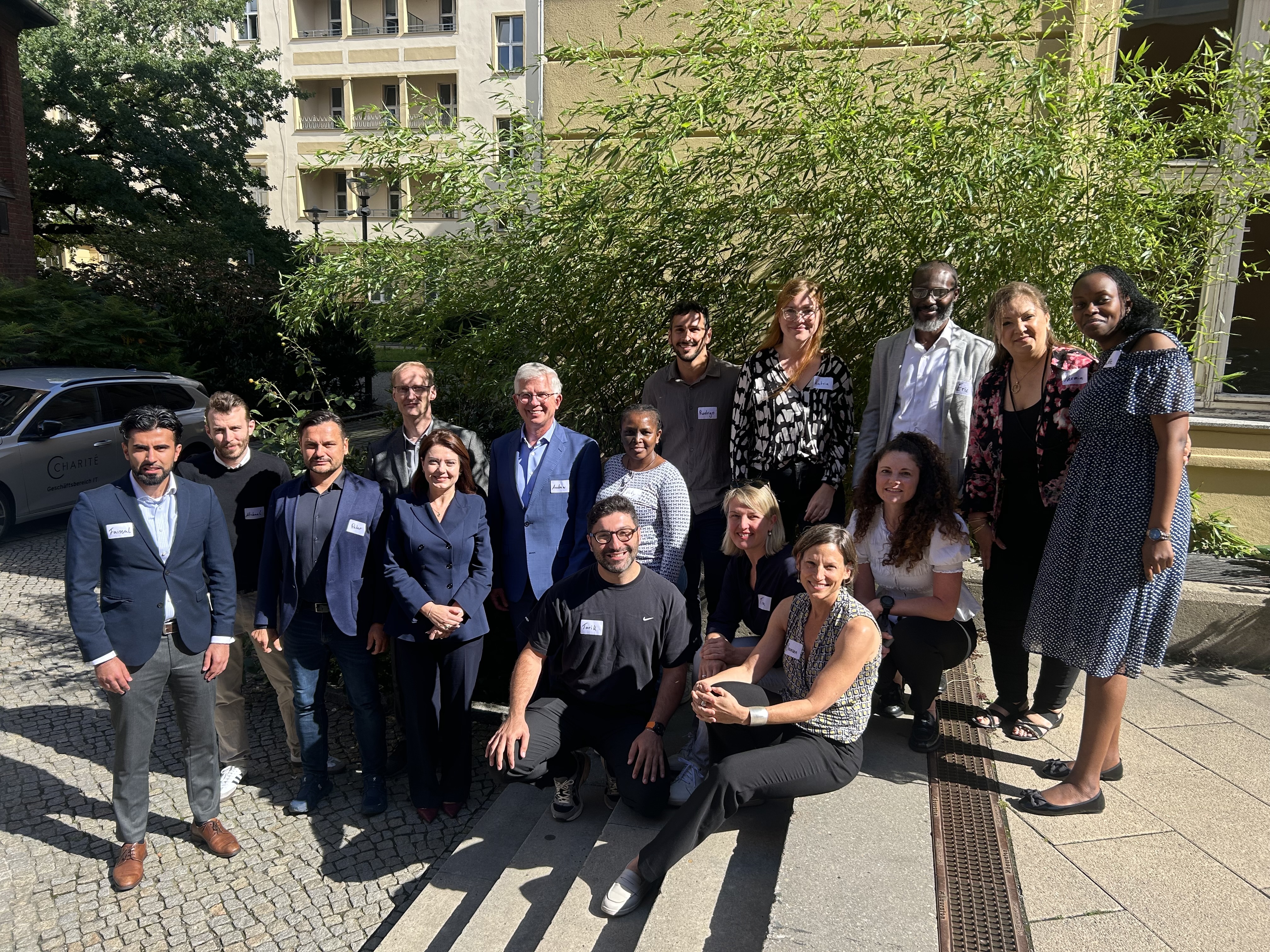
A workshop where participants tested the beta version of the GHPL Digital Repository and helped shape its design.
Health policy documents are often hard to find. Existing digital repositories vary widely in scope and quality, and policies from low- and middle-income countries are underrepresented.
This workshop served as a testing ground for the beta version of the GHPL Digital Repository. It brought together participants from public health, the social and data sciences, engineering and the wider health sector to explore what policymakers need from a repository and to co-create a tool that meets those needs, with a particular focus on stakeholders from low- and middle-income countries.
Read the landscape review of existing digital health policy repositories →
From mapping what exists to designing what is needed.
A review of existing digital health policy repositories, followed by polling and discussion of shared gaps and challenges.
Small groups assessed a selection of existing repositories against a shared evaluation framework.
Participants explored the GHPL Digital Repository and its database and comparison tools, and assessed it using the same framework.
Using a problem-driven, iterative approach, groups traced the root causes of current gaps and identified actions to address them.
Teams developed mockups, user flows and feature concepts on search, decision-support tools and document summaries.
The evaluation framework used to assess existing repositories and the GHPL beta covered:
Participants' feedback, user stories and design concepts informed the further development of the GHPL Digital Repository.
One of the clearest messages was that parliamentarians rarely have time to read every policy document in full, and that a short summary would help. In response, the repository now includes an AI-generated summary for each policy document.
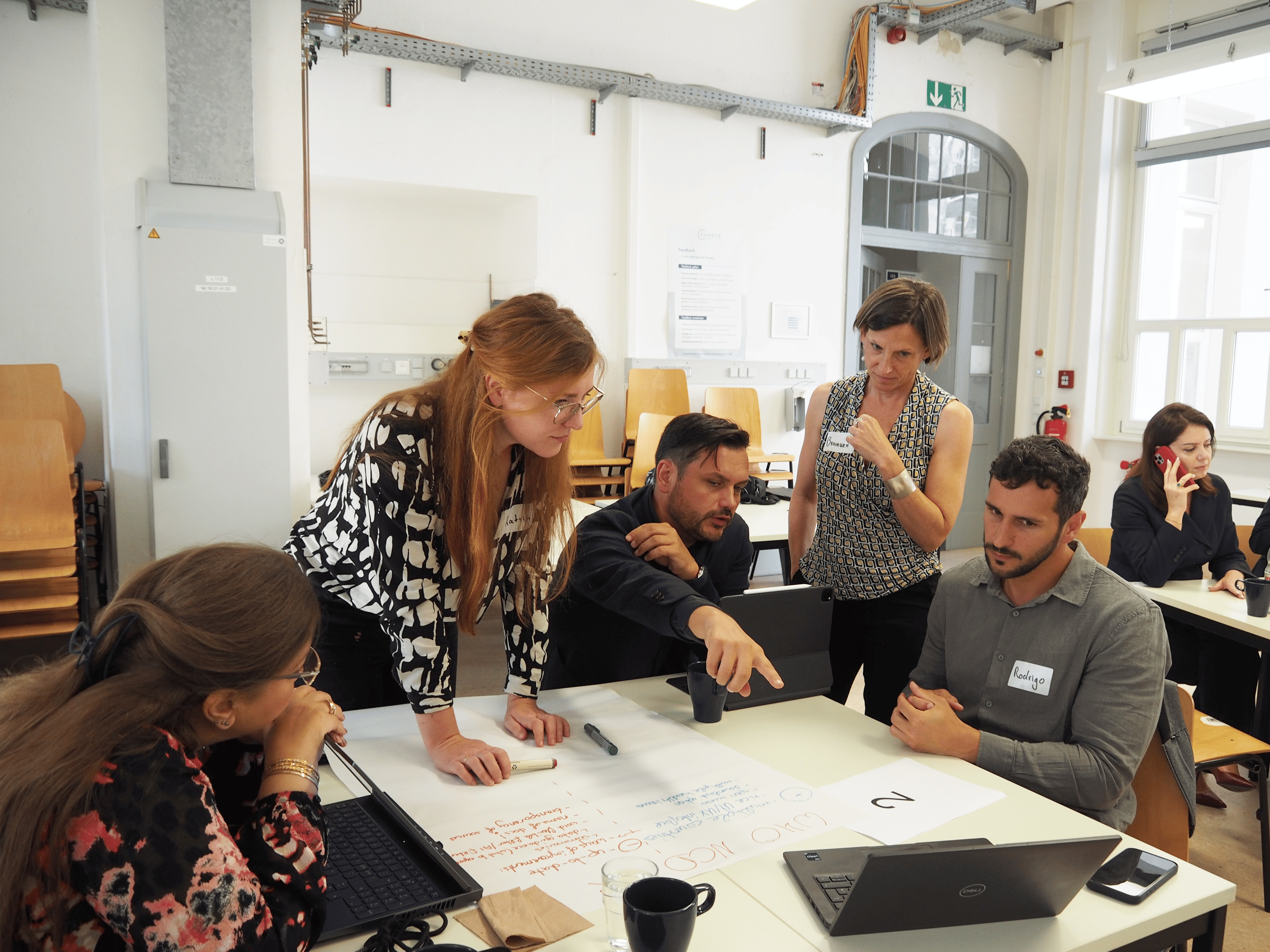






With thanks to all workshop participants, co-hosts and facilitators, and to our funders.